



The allure of high-stakes betting
High-stakes casino betting has a magnetic pull that captivates people from various walks of life. The thrill of placing substantial bets can be intoxicating, leading individuals to either pursue wealth or experience adrenaline that is hard to replicate elsewhere. This attraction often stems from a combination of risk-taking behavior human beings possess, along with the desire for immediate gratification. The atmosphere of a casino, filled with sounds of excitement and the sight of potential winnings, serves to amplify this allure, drawing in both seasoned gamblers and curious newcomers alike. For those looking to unwind without the pressure, options such as non gamstop casino provide alternative recreational experiences.
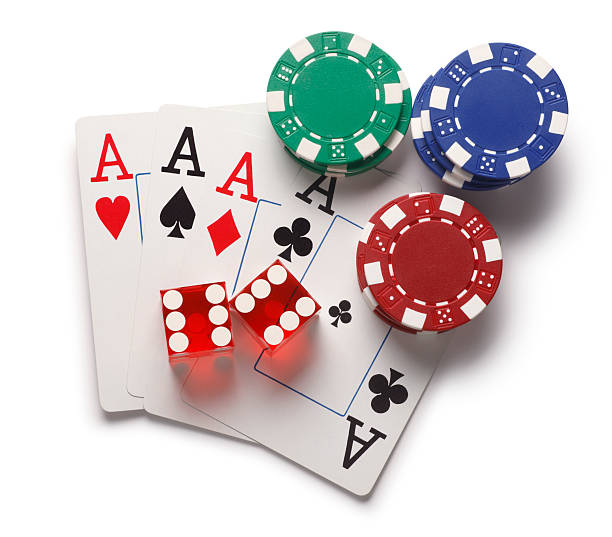
The element of competition also plays a crucial role in high-stakes betting. Players often find themselves not just wagering against the house but also against each other. This competitive edge can intensify decisions and fuel the excitement further. Many individuals thrive in environments where their skills and instincts are put to the test, making high-stakes betting an exhilarating experience that merges chance with skill.
The psychology of risk-taking
Understanding the psychology behind high-stakes casino betting requires delving into risk-taking behavior. People often engage in activities that involve a high degree of risk due to its perceived rewards. In the realm of gambling, the concept of potential loss is outweighed by the likelihood of significant gain, leading individuals to partake in these high-stakes wagers. The brain’s reward system becomes activated, causing a rush of dopamine each time a player wins, reinforcing future betting behavior.
Additionally, cognitive biases, such as the gambler’s fallacy, affect decision-making in high-stakes gambling. Bets are often influenced by past outcomes, leading players to believe that they can predict future winnings based on previous results. This can create a dangerous cycle of behavior where individuals continue to bet, driven by a belief in their ability to overcome odds, often resulting in significant financial consequences.
The emotional highs and lows in gambling
The emotional rollercoaster of high-stakes betting is a significant factor in why individuals return to casinos despite the risks involved. Winning brings a euphoric rush, while losing can lead to feelings of despair or frustration. These emotional fluctuations can trigger compulsive gambling behavior, as players seek to regain their losses or chase the high of winning. Understanding these emotions is essential for both gamblers and their support systems, as they can illuminate the need for responsible gambling practices.
Moreover, the social environment of casinos further heightens these emotional responses. The presence of other gamblers can amplify excitement, leading to shared joy or collective disappointment. High-stakes players often form connections based on shared experiences, reinforcing their willingness to continue betting in hopes of recapturing the thrill they once felt.
The role of environment and design in casinos
The physical design and environment of casinos are meticulously crafted to enhance the gambling experience. From lighting to soundscapes, every detail is designed to create an atmosphere that encourages people to spend more time and money. The absence of clocks and windows fosters a sense of timelessness, allowing players to lose track of time while immersed in high-stakes games. This design strategy plays a crucial role in maintaining excitement and encouraging extended betting sessions.
Furthermore, casino layouts often lead players through a maze-like experience, ensuring that they are continually confronted with options to bet. The sensory overload provided by vibrant colors, luxurious decor, and enticing visuals enhances the psychological impact, making it easy for individuals to lose themselves in the gambling experience. Understanding how these elements manipulate player psychology can help individuals become more aware of their surroundings and their potential effects on decision-making.

Conclusion: Understanding responsible gaming
As we explore the psychology behind high-stakes casino betting, it becomes increasingly important to advocate for responsible gaming practices. Awareness of the emotional, environmental, and psychological factors that influence gambling behavior can empower individuals to make informed choices, minimizing the risks associated with high-stakes betting. Establishing personal limits and recognizing the signs of gambling addiction are essential steps toward maintaining a healthy relationship with gambling.
At bikeweek.org.uk, we promote community engagement and support for activities that encourage a balanced lifestyle. While our focus is on cycling and its benefits, the spirit of responsible enjoyment extends beyond biking into all recreational activities, including gaming. Join us in fostering an environment that values awareness and enjoyment, ensuring that all activities are pursued safely and responsibly.